Clean Energy
The clean energy sector develops and provides energy from renewable sources such as wind, solar, and water power. It helps power homes, businesses, and transport while supporting a more sustainable future.
Careers in Clean Energy
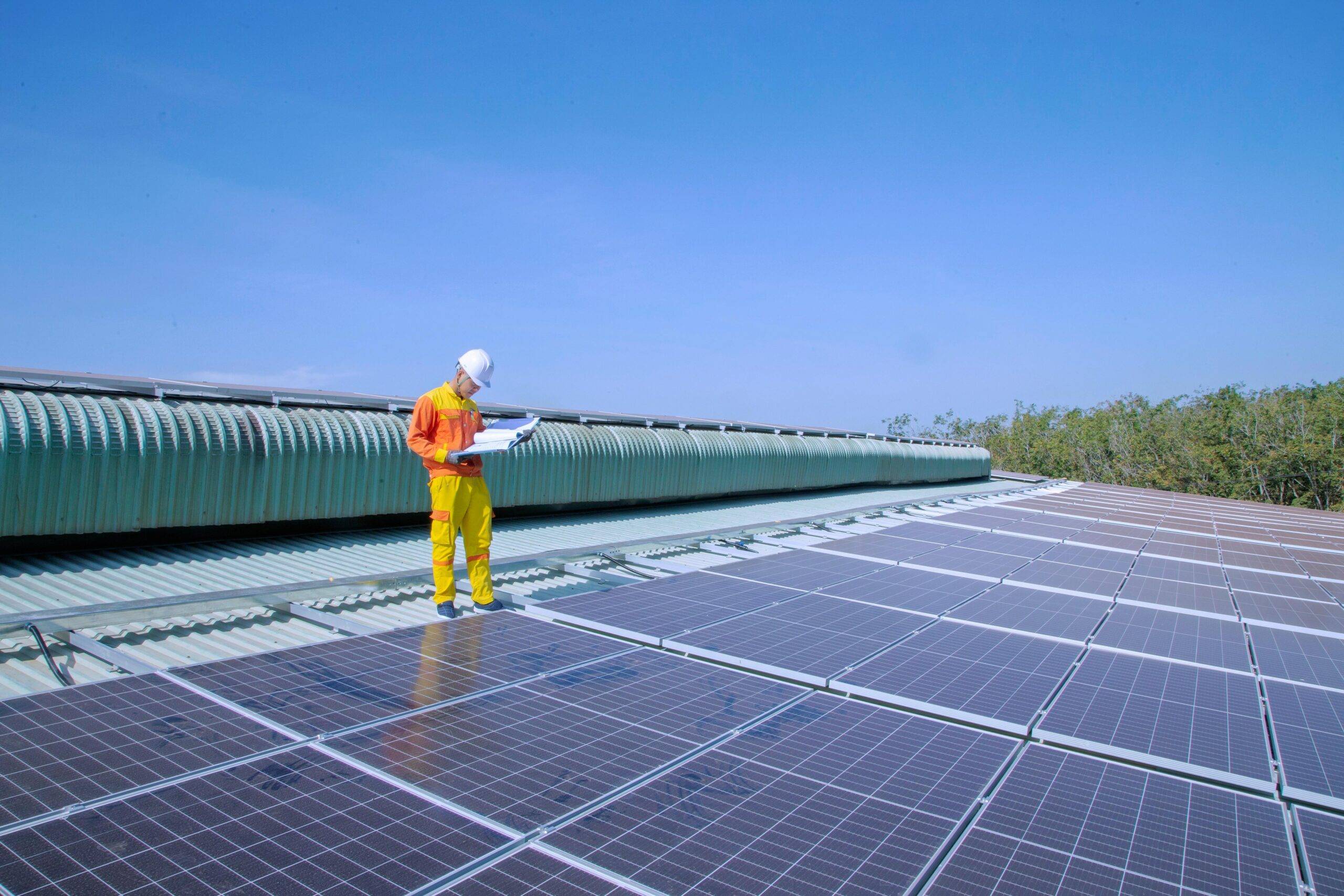
The Clean Energy sector is a growing industry with a wide range of careers and opportunities to develop valuable skills for the future. It is a great place to work if you enjoy problem-solving, innovation, and helping to protect the environment. You could work as a wind turbine technician, energy consultant, engineer, project manager, or data analyst. Whatever role you choose, you can make a real difference by helping to create cleaner, more sustainable energy for future generations.
How much can you earn working in Clean Energy
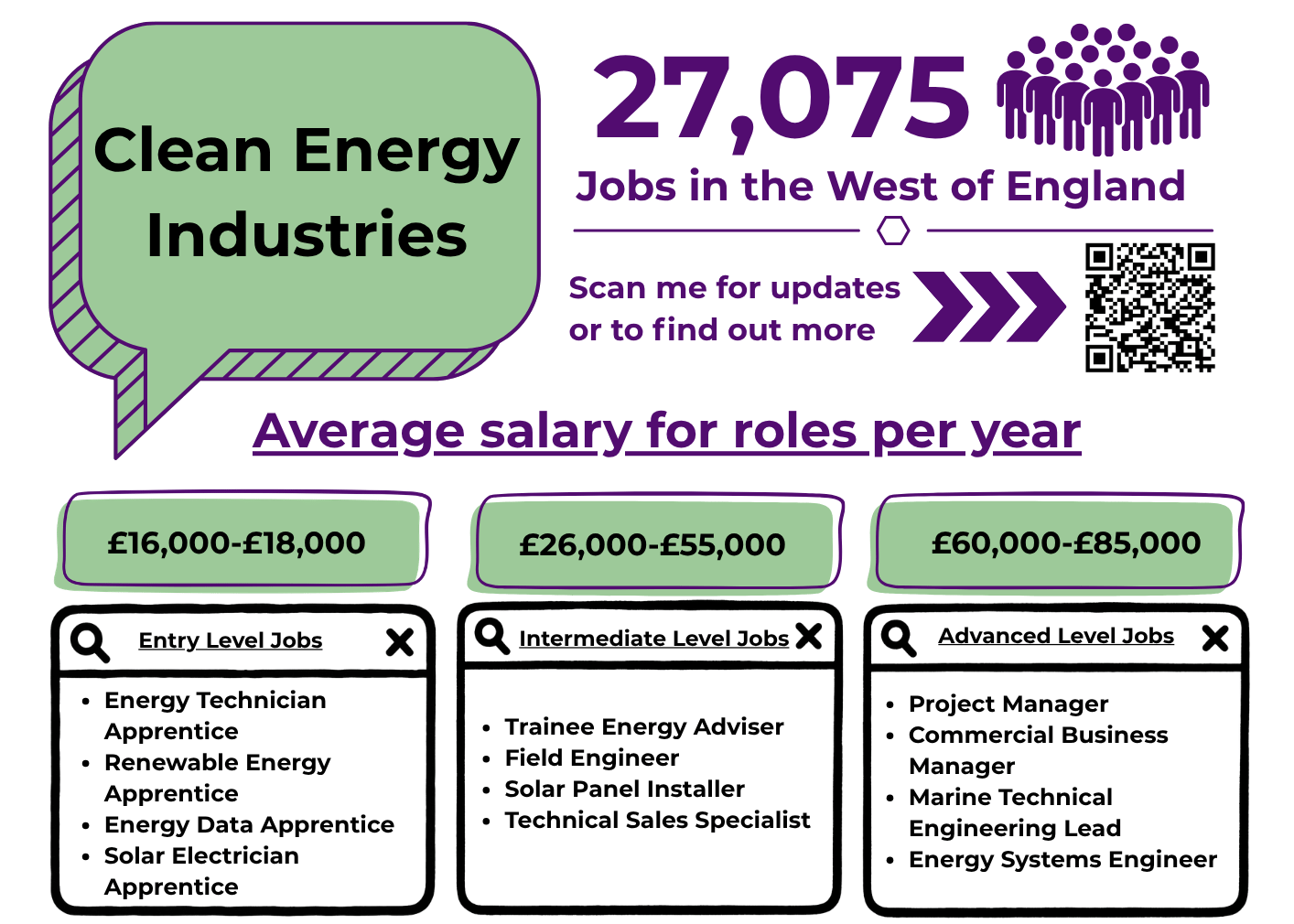
Clean Energy offers a range of entry-level jobs that can help you gain experience and build new skills. As you learn and develop, you may have the chance to move into more senior roles with greater responsibility and higher pay.
Salary ranges are based on job adverts from August 2026 and can vary depending on experience, qualifications, employer, and location. It may take time to gain the skills and experience needed to progress to the next career level and salary range.
View a variety of jobs
Discover the different careers available in clean energy, from energy advice, to engineering, digital, and leadership jobs. Click on the job profiles below to find out what each role involves, the skills you need, and the steps you can take to progress.
Meet Daisy: Starting a Career in Clean Energy
Daisy is new to the clean energy sector and is beginning her career in a rapidly evolving industry. In this video, she shares what a typical week looks like and provides an insight into working in a role that embraces innovative technologies to help create a greener, more sustainable future.
Find Your Next Step
Check out our Skills Connect Directory for a list of opportunities and places to train in your region to help you kick start your career in clean energy.
Specialist areas in Clean Energy
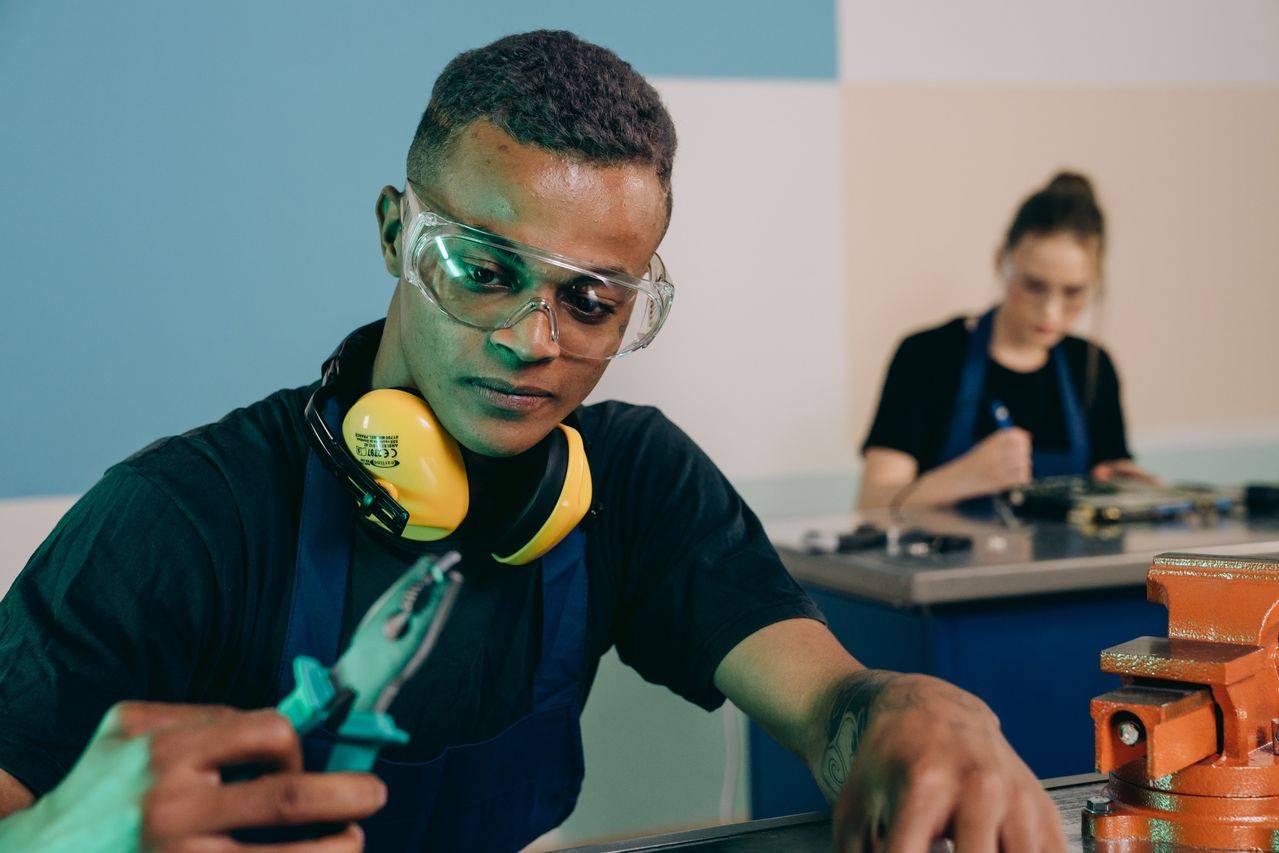
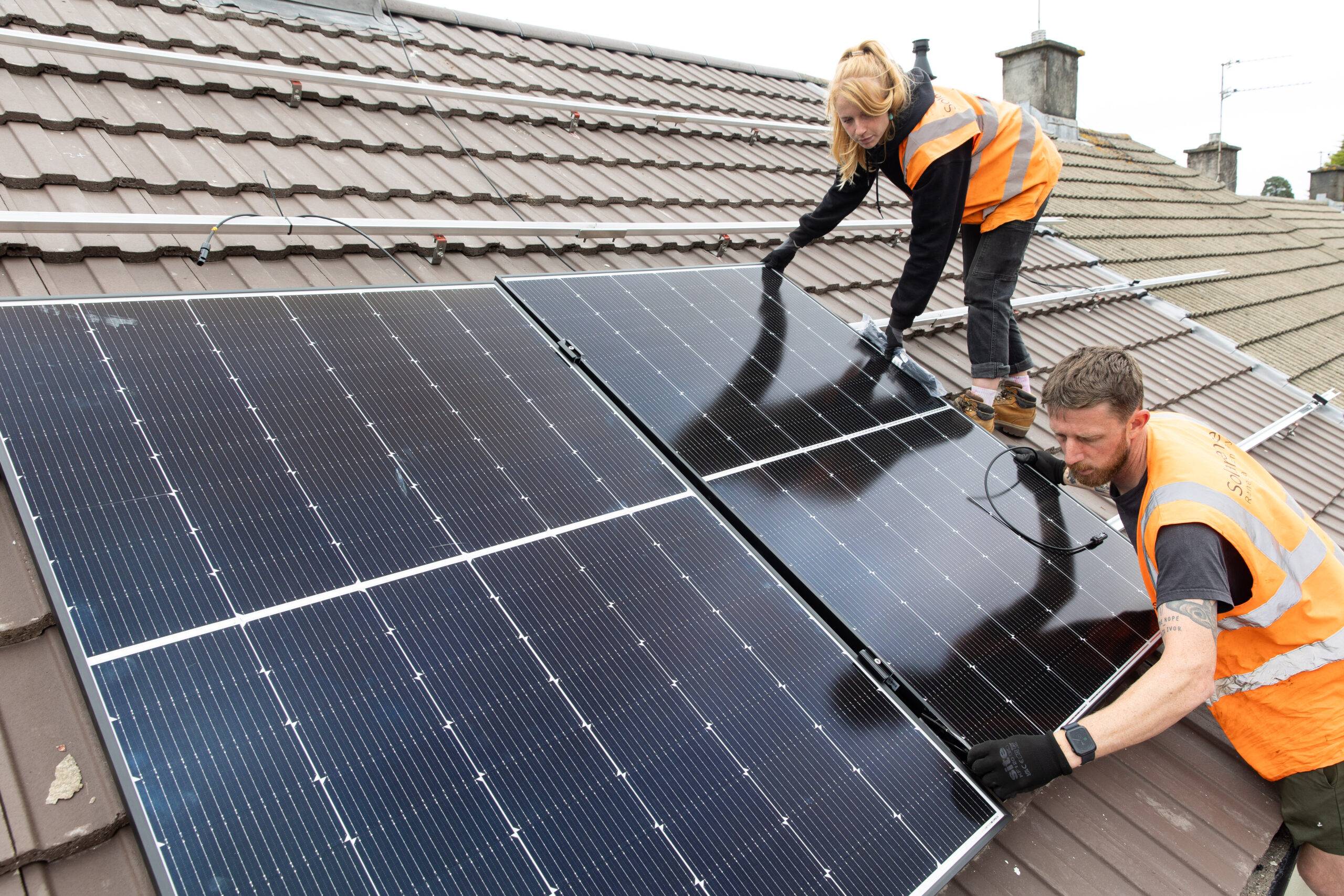
Electricians and electrical engineers help design and install energy systems. They are important in the clean energy sector. To learn more about careers in this area, visit our electrical skills pages. You can find out how to train for jobs in solar panels, battery storage, and electric vehicle charging.
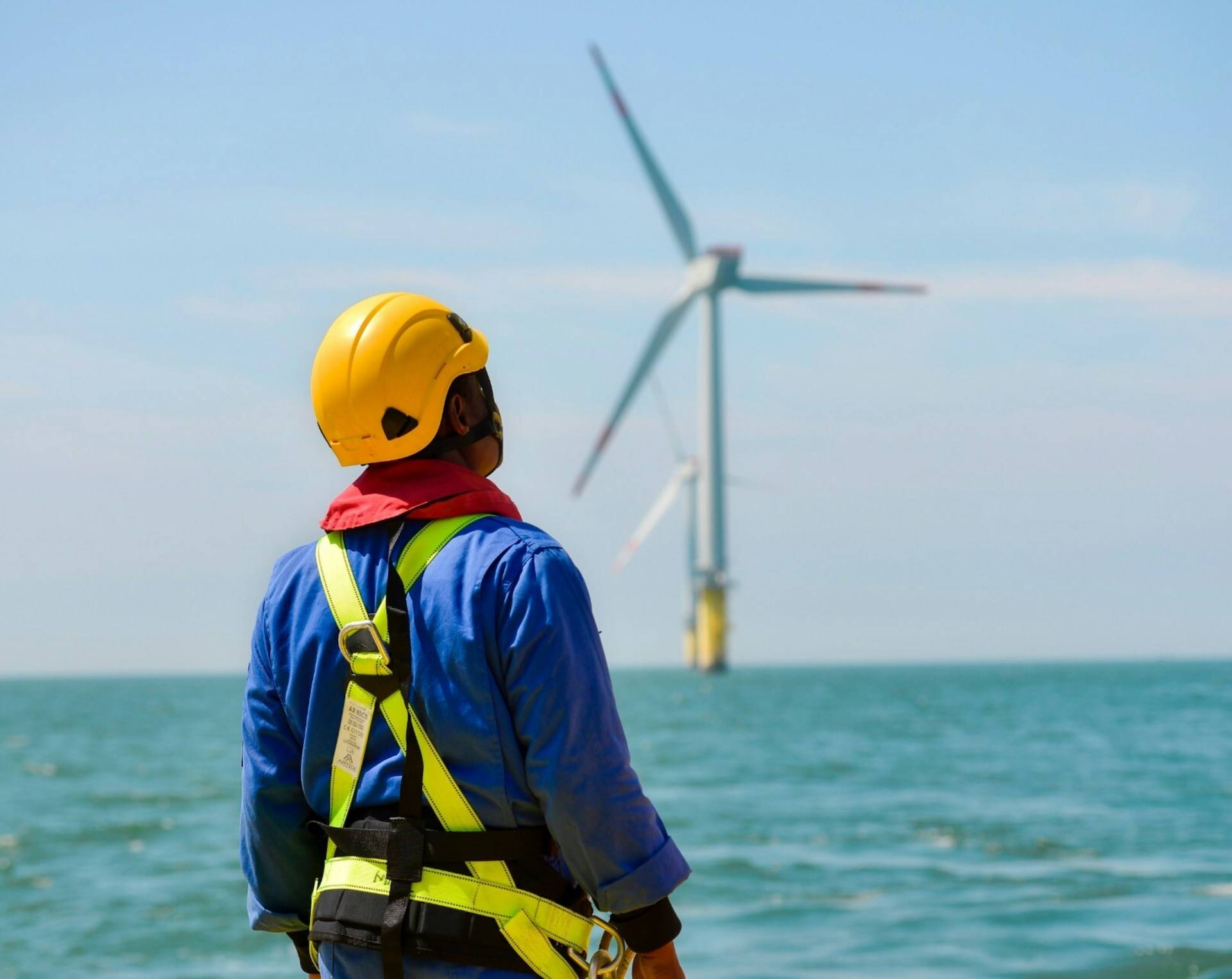
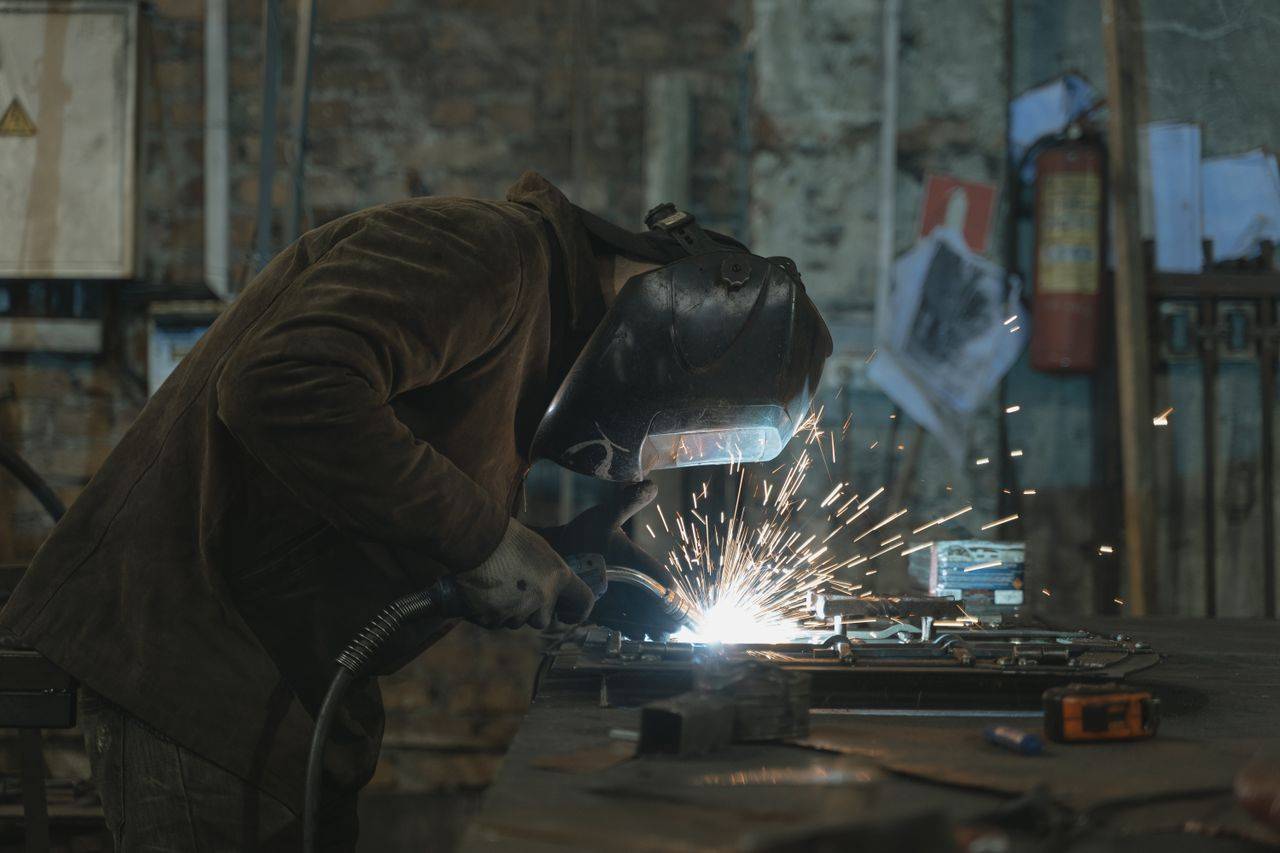
Welding and construction jobs are also important. These workers help build clean energy projects such as solar farms and wind turbines. Welders help create and join large metal structures, including pipelines that carry energy back to the electricity grid.
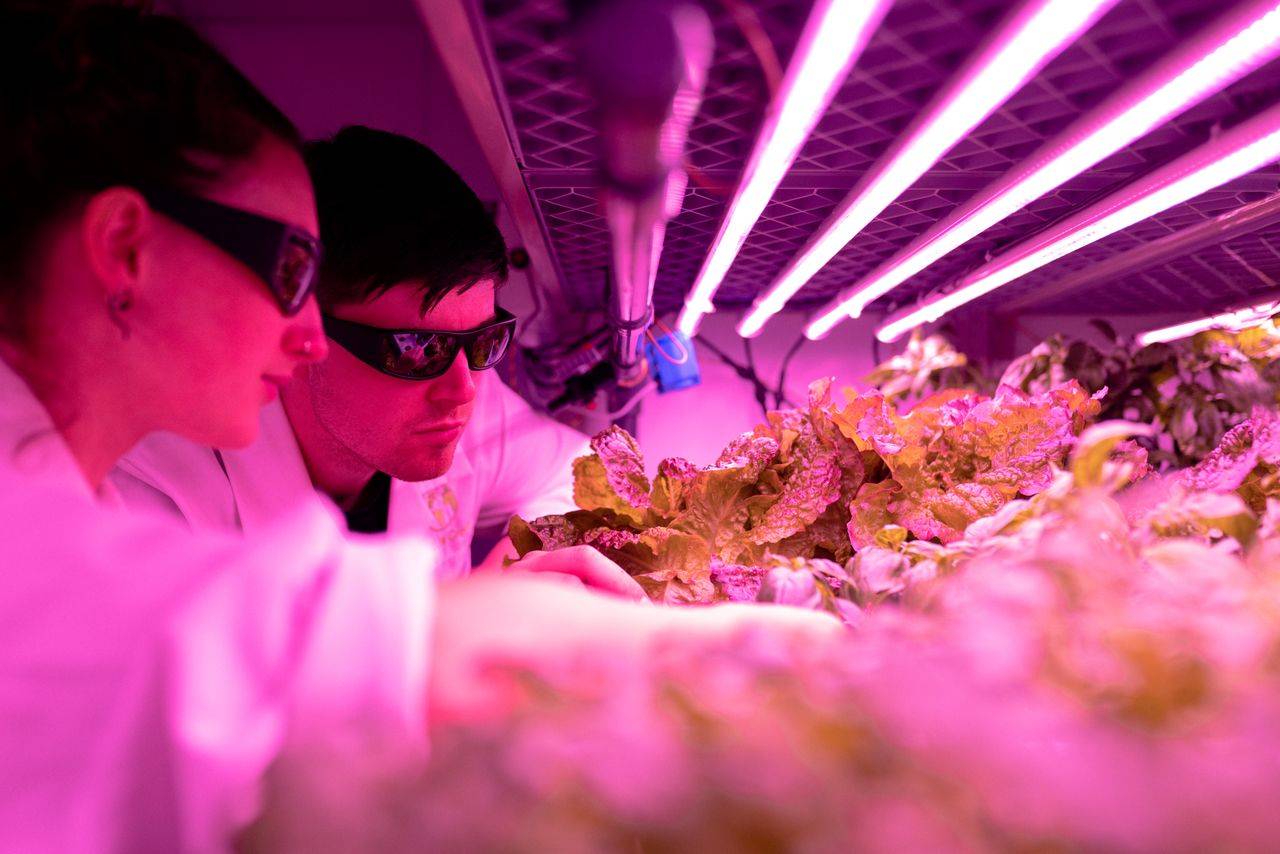
Engineering offers lots of exciting career opportunities in clean energy. Renewable energy engineers help develop ways to use power from the sun, wind, and hydrogen. Energy efficiency engineers design systems that use less energy and help protect the environment. Environmental engineers work on projects that reduce pollution and support cleaner ways of producing energy.
The clean energy sector needs more than just engineers. It also relies on people who help projects run smoothly and safely.
If you are organised, enjoy solving problems, and like working with others, there are many different careers to explore. Roles in project management, data monitoring, health and safety, and quality control help make sure clean energy projects are successful and efficient.
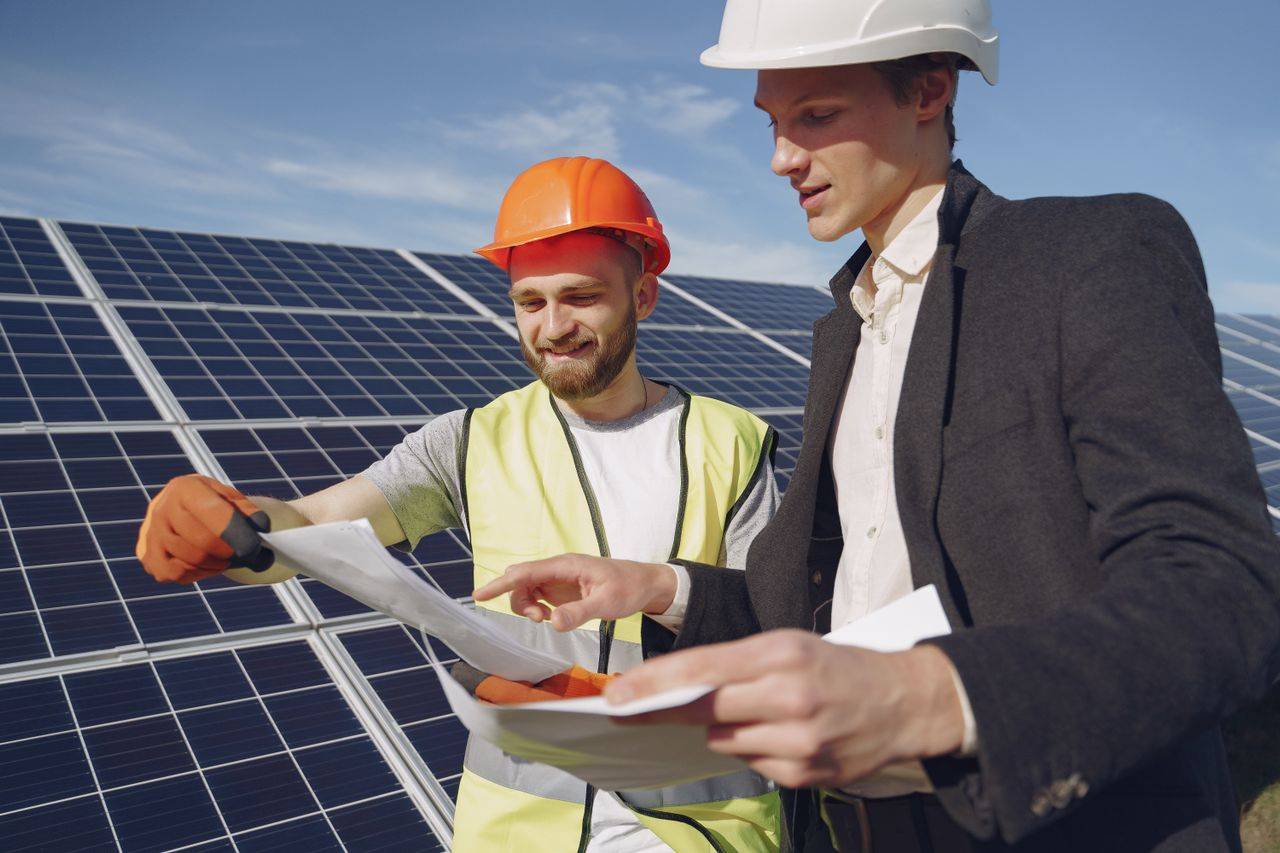
Community energy jobs help create local renewable energy projects that benefit people and the environment. These projects can include solar panels, wind power, or other clean energy solutions for local areas.
People working in these roles help plan projects, apply for funding, work with local residents, and find the best energy solutions for their community. Jobs include community energy coordinators, project managers, renewable energy consultants, and community engagement officers.
Many community energy projects also offer volunteering opportunities. Volunteering can help you gain experience, build your skills, and learn more about the sector.
Top Skills
- Organisation: Managing tasks, resources and projects effectively.
- Teamwork: Working with others to deliver clean energy solutions.
- Active Listening: Understanding information, instructions and stakeholder needs.
- Verbal Communication: Explaining technical and non-technical information clearly.
- Leadership: Supporting teams and helping projects achieve their goals.
- Problem-Solving: Finding practical solutions to technical and environmental challenges.
- Digital Skills: Using software, monitoring systems and digital tools effectively.
- Attention to Detail: Checking data, equipment and processes carefully to ensure quality and safety.
- Design and Research: Developing and improving clean energy technologies and systems.
- Health and Safety Awareness: Following procedures to keep people and sites safe.
- Understanding Clean Energy Sources: Knowing how technologies such as solar, wind, hydrogen and battery storage work.
- Energy Efficiency: Identifying ways to reduce energy use and improve performance.
- Environmental Awareness: Understanding the environmental impact of projects and activities.
- Data Analysis: Using data to monitor performance and support decision-making.
- Project Planning: Coordinating resources, timelines and activities to deliver projects successfully.
- Systems Monitoring: Tracking the performance of equipment and energy systems.
- Technical Maintenance: Inspecting, maintaining and repairing clean energy equipment.
- Sustainability Knowledge: Applying practices that support long-term environmental goals.
- Adaptable: Responding positively to new technologies and ways of working.
- Curious: Enjoying learning about innovation and emerging clean energy solutions.
- Environmentally Aware: Caring about sustainability and reducing environmental impact.
- Innovative: Looking for new ways to improve efficiency and performance.
- Analytical: Using information and data to make informed decisions.
- Observant: Noticing issues, risks and opportunities for improvement.
- Safety-Conscious: Prioritising the wellbeing of yourself and others.
- Forward-Thinking: Looking ahead and embracing future technologies and ideas.
Sector Insights Information Sheet
Use this downloadable poster to share and explore key data and insights on education, training and employment opportunities featured on this page. Designed to support informed discussions and decision-making, this summary poster can be used by students, parents, educators and careers advisers.
Finding Support
Professional organisations and websites offer industry specific support, such as career advice, training, membership schemes, networking opportunities, as well as support with industry regulations or developments. Here are some websites and organisations dedicated to supporting careers in Clean Energy:
Green Careers Hub is a website offering information and opportunities around green skills, jobs and careers
This is Engineering - a website dedicated to supporting people to enter into engineering roles.
Electrical Careers - offers industry related careers and training information and advice.
The National Grid - have a dedicated careers page.
Prospects are a leading website for careers information and offer dedicated pages on Renewable Energy Careers.
Solar Energy UK is an established trade association working for and representing the solar and energy storage value chain.
MCS Foundation sets, defines and maintains the Standards for low-carbon energy technology products, contractors and their installations. This includes heat pumps, solar, biomass, small wind and battery storage. They list the skills courses.
The Energy Institute is the chartered professional membership body for people who work across the world of energy.
The Engineering Council provide support and resources to aspiring and qualified engineers.
The Electrotechnical Skills Partnership (TESP) is a not-for-profit skills partnership created by ECA, Joint Industry Board (JIB), National Electrotechnical Training (NET), SELECT and Unite the Union.
Electrical Contractors Association are the UK’s leading trade association for the electrotechnical services industry.
The Association for Renewable Energy and Clean Technology is a not-for-profit trade association providing the latest information on policy updates, sector-specific insights, topical briefings and industry-leading training/events.
The Government's Heat Training Grants offer up to £500 towards the cost of heat pump training.
The Construction Industry Training Board provide grants for employers who provide training for their workforce. If you are an employer or work for an eligible employer you may be able to access the grant scheme.
Careers that use similar skills
If you are interested in a career in clean energy, you may also want to explore other careers that require similar skills. If you like designing and planning, hands-on work, and making a difference, you may also enjoy some of these opportunities:
Explore other sectors
- Construction
- Retail
- Transport and Logistics
- Health and Social Care
- Hospitality
- Advanced Manufacturing and Engineering
- Creative Industries
- Education and Childcare
- Manufacturing and Food Production
- Green Skills
- Digital and Technologies
- Everyday Economy
- Finance and Insurance
- Clean Energy
- Visitor Economy
- Tourism
- Professional Services
- Nature Recovery
- Climate Resilience